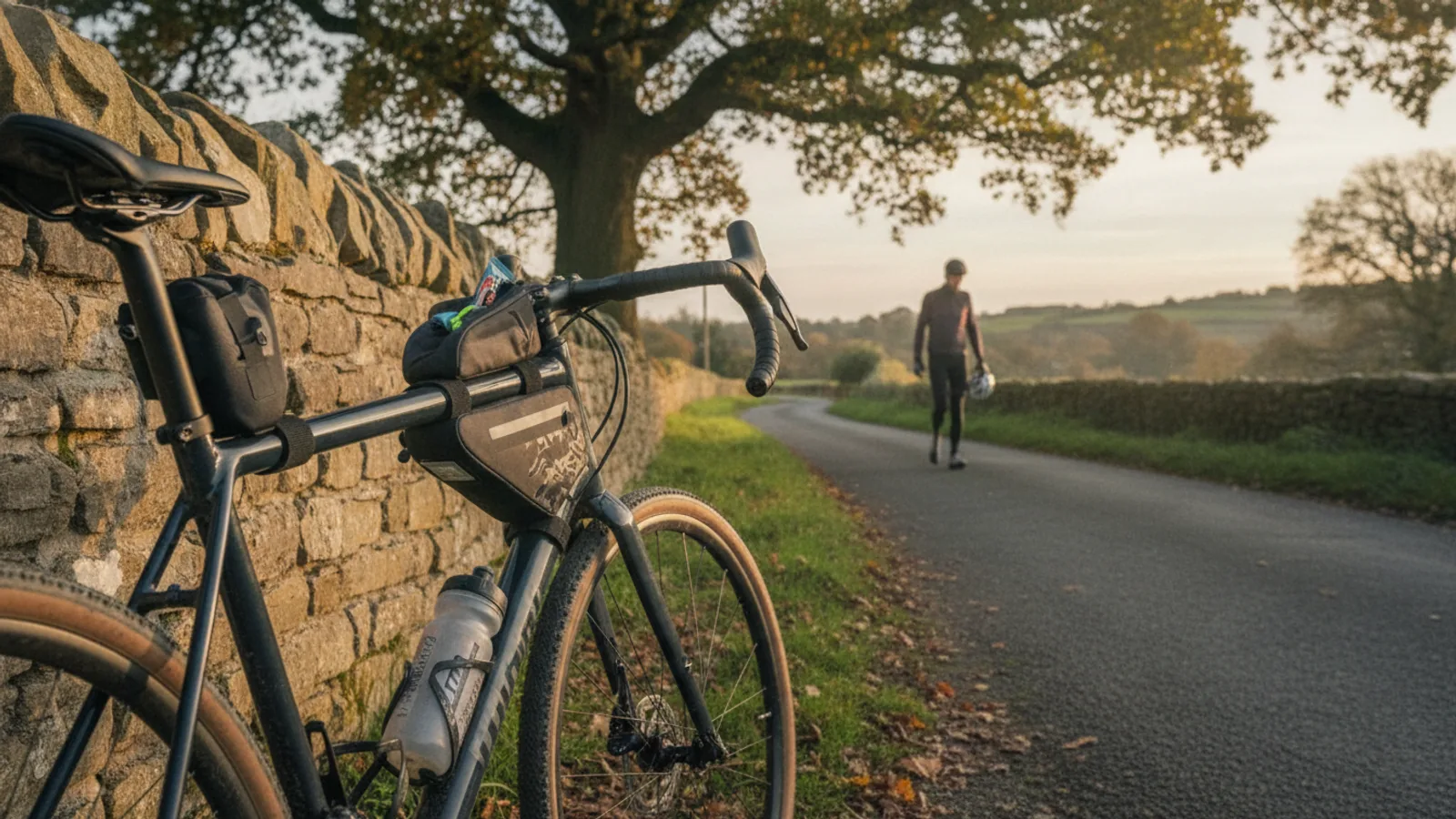
How Do You Measure For A Bicycle Frame Size
A practical step-by-step guide to how do you measure for a bicycle frame size, including preparation, instructions, common issues, tips, and next steps.

How Do You Measure For A Bicycle Frame Size
Choosing the right bicycle frame size is the most important step towards a comfortable, efficient, and enjoyable ride. An incorrectly sized bike can lead to discomfort, poor handling, and even injury. This guide provides a clear, step-by-step method to measure yourself accurately and use those measurements to find the perfect frame size for road, mountain, or hybrid bikes. By following these instructions, you can confidently select a bike that fits your body, preventing guesswork and ensuring a better cycling experience from day one.
Fast Answer
- Key Measurement: Measure your cycling inseam (inside leg), not your trouser inseam.
- Core Action: Multiply your inseam by a specific factor (e.g., 0.67 for road bikes) to get a starting frame size.
- Final Check: Always compare your measurements against the specific manufacturer's sizing chart.
Before You Start
- A tape measure (metric units like centimetres are most useful).
- A large, hardcover book or a spirit level.
- A pencil that won't permanently mark your wall.
- A flat wall you can stand against.
- It's helpful to have a friend to assist with measurements for better accuracy.
Step-by-Step Instructions
Prepare for Measurement
To get the most accurate measurements, it's important to set up correctly. First, find a clear, flat section of wall with a level floor. Take off your shoes and any bulky clothing. It's best to wear thin, close-fitting trousers or cycling shorts, as this mimics your riding position and prevents fabric from interfering with the measurement.
Measure Your Height
Stand with your back flat against the wall, heels touching the wall. Keep your posture straight and look directly forward. Place the hardcover book flat on top of your head, ensuring it's parallel to the floor and touching the wall. You can use a spirit level on the book for perfect accuracy. Ask your friend to make a small, light pencil mark on the wall at the underside of the book. Now, step away and use your tape measure to record the distance from the floor to the mark. This is your precise height.
Measure Your Cycling Inseam (Inside Leg)
This is the most critical measurement for finding your frame size. Stand against the wall again, with your feet about 15-20 cm (6-8 inches) apart. This spacing simulates the position of your feet on the pedals.
Take the hardcover book and place it between your legs, with the spine facing upwards. Push the book firmly up into your crotch until it meets solid resistance. This pressure is meant to replicate the feel of a bicycle saddle. Ensure the book is level and flush against the wall. Ask your friend to measure the distance from the top edge of the book's spine down to the floor. Record this measurement, preferably in centimetres.
Calculate Your Road Bike Frame Size
Road bike frames are typically measured in centimetres (cm) and refer to the length of the seat tube. To find your recommended road bike size, use the following simple calculation:
Your Inseam (in cm) x 0.67 = Your Recommended Frame Size (in cm)
For example, if your inseam is 82 cm, the calculation would be 82 x 0.67 = 54.94 cm. In this case, you would look for a road bike with a 55 cm frame.
Calculate Your Mountain Bike (MTB) Frame Size
Mountain bikes have different geometry and are often measured in inches (") or use general sizes like Small, Medium, and Large. The calculation is slightly different to account for the need for more standover clearance.
Your Inseam (in cm) x 0.57 = Your Recommended Frame Size (in cm)
Using the same 82 cm inseam: 82 x 0.57 = 46.74 cm. To convert this to inches, divide by 2.54 (46.74 / 2.54 = 18.4 inches). You would look for an 18" or Medium-sized mountain bike.
Calculate Your Hybrid or City Bike Frame Size
Hybrid bikes blend features from road and mountain bikes, and their sizing reflects this. Their frame size calculation sits between the two.
Your Inseam (in cm) x 0.685 = Your Recommended Frame Size (in cm)
For an 82 cm inseam: 82 x 0.685 = 56.17 cm. You would start by looking for a 56 cm hybrid frame. Like mountain bikes, many hybrids use S/M/L sizing, so you'll need to check the manufacturer's chart.
Consult the Manufacturer's Sizing Chart
This is a non-negotiable final step. Every bicycle brand has unique frame geometry. Once you have a bike model in mind, find its official product page online and locate the "Sizing Guide" or "Geometry Chart."
These charts will list frame sizes (e.g., 54cm, Medium, 19") alongside recommended rider height and/or inseam ranges. Find your height and inseam on the chart to see which size the manufacturer recommends for you. If your measurements put you between two sizes, the chart will often provide guidance on which to choose based on your riding style.
Quick Reference
| Bike Type | Primary Calculation | Common Sizing Unit |
|---|---|---|
| Road Bike | Inseam (cm) x 0.67 | Centimetres (e.g., 52, 54, 56) |
| Mountain Bike | Inseam (cm) x 0.57 | Inches (e.g., 17", 19") or S/M/L |
| Hybrid Bike | Inseam (cm) x 0.685 | Centimetres, Inches, or S/M/L |
Common Problems When You Measure For A Bicycle Frame Size
My calculation puts me exactly between two sizes. Which one should I choose?
This is a very common situation. The choice often comes down to your body proportions and riding style.
- Size Down: Choose the smaller frame if you have a shorter torso/arms or if you prefer a more agile, nimble ride with a more aggressive, aerodynamic posture. It's generally easier to make a slightly small bike fit bigger (with a longer seatpost or stem) than the other way around.
- Size Up: Choose the larger frame if you have a longer torso/arms or if you prioritise stability and a more upright, relaxed riding position. This is often preferred for long-distance touring or casual riding.
The manufacturer's chart suggests a different size than my formula. Which should I trust?
Always trust the manufacturer's sizing chart. The formulas are excellent general guidelines based on traditional frame geometry. However, modern bikes have incredibly varied designs, with sloping top tubes, compact frames, and unique tube lengths. The brand that designed the bike knows best how its geometry corresponds to rider measurements. The formula gets you in the right ballpark; the chart gets you the specific seat.
I bought the recommended size, but the bike feels uncomfortable.
Frame size is the foundation of a good fit, but it's not the whole story. If the frame size is correct, discomfort is likely coming from other components that need adjustment. Check your:
- Saddle Height: Too high or too low can cause knee pain and inefficiency.
- Saddle Position (Fore/Aft): Sliding the saddle forward or backward on its rails affects your relationship to the pedals.
- Handlebar Reach & Height: You might need a shorter or longer stem, or to adjust the handlebar height with spacers, to relieve back or shoulder strain.
Small adjustments to these components can transform a bike's feel. If you're still struggling, consider a professional bike fit.
Advanced Tips for Measuring For A Bicycle Frame Size
Understand Stack and Reach
For experienced cyclists, looking beyond seat tube length to "Stack" and "Reach" provides a more accurate way to compare bikes. Reach is the horizontal distance from the centre of the bottom bracket to the centre of the head tube. It essentially measures how long the bike feels when you're standing on the pedals. Stack is the vertical distance between the same two points, indicating how high the front end is. These two numbers give a much clearer picture of your riding posture than traditional sizing. If you know your ideal stack and reach from a previous bike that fit well, you can use these figures to compare new models with high precision.
Consider Your "Ape Index"
Your "Ape Index" is the ratio of your arm span to your height. To find it, measure your arm span from fingertip to fingertip and subtract your height. If the result is positive, you have long arms for your height and may prefer a bike with a longer reach (or sizing up if you're between sizes). If the result is negative, you have shorter arms and will likely be more comfortable on a bike with a shorter reach (or sizing down).
The Importance of a Test Ride
Numbers and charts are essential, but nothing can replace the real-world feel of riding a bike. If at all possible, try to test ride the models you are considering. A short ride around the block can tell you a lot about the bike's handling, your position on it, and its overall comfort. This is the ultimate confirmation that you've made the right choice.
How Do You Measure For A Bicycle Frame Size FAQ
Can't I just use my height to find my bike size?
Using only height is a very rough estimate and often inaccurate. People with the same height can have vastly different leg and torso lengths. Since frame size is primarily based on leg length (inseam), measuring it directly is far more reliable and is the standard method for achieving a proper fit.
Is standover height important?
Yes, standover height—the distance from the ground to the top of the bike's top tube—is an important safety and comfort consideration. You should be able to straddle the bike with your feet flat on the ground and have at least an inch or two of clearance for a road or hybrid bike, and more (3-5 inches) for a mountain bike to allow for dismounting quickly on uneven terrain.
What is the difference between men's and women's bike frames?
Traditionally, women's-specific frames are designed to accommodate anatomical averages, such as shorter torsos and longer legs relative to height. They may feature shorter top tubes, narrower handlebars, and women's-specific saddles. However, many modern brands are moving towards unisex frames with a wider range of sizes, allowing riders of any gender to find a fit based on their individual body measurements rather than gendered labels.
Final Checklist for Measuring For A Bicycle Frame Size
- You have removed your shoes and are wearing non-bulky clothing.
- You have accurately measured your height against a flat wall.
- You have measured your cycling inseam using a book, not your trouser size.
- You have used the correct formula (road, MTB, or hybrid) as a starting point.
- You have located the specific manufacturer's sizing chart for your desired bike.
- You have cross-referenced your height and inseam with the brand's official recommendations.
- You have considered your personal proportions (like arm length) and riding style when choosing between sizes.
- You have planned to test ride the bike before making a final purchase, if possible.